QI: Atoll Formation

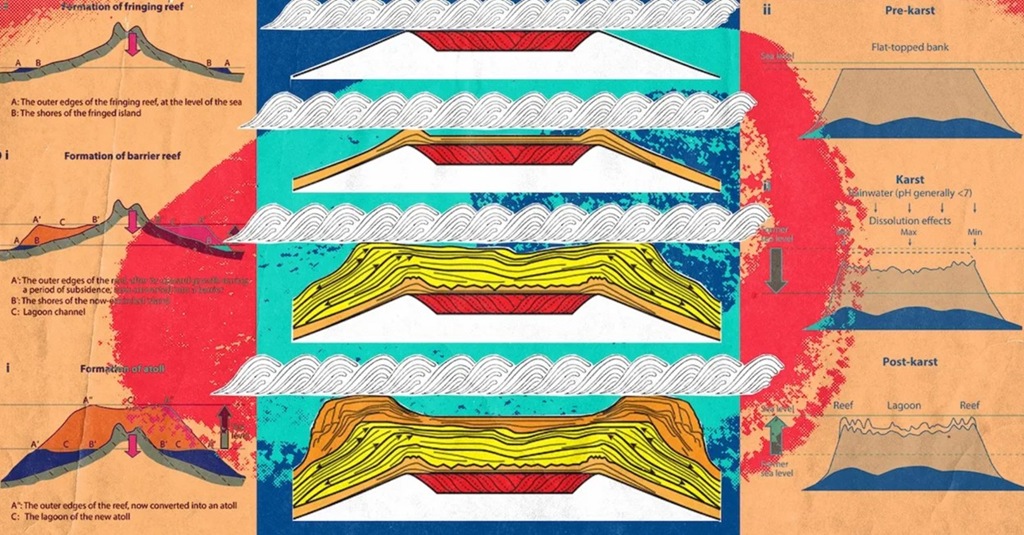
Atoll formation Maldives

Q: How did the Maldivian atolls form?
A: Ancient volcanos who collapsed in on themselves and sunk?
Q: Buzzz…while that was the theory for year, put forth by none other than Charles Darwin, modern research shows…
Q: How long ago did the Maldivian atolls form?
A: Millions of years ago?
Q: Buzzz…the Maldives atolls are actually younger that the pyramids.

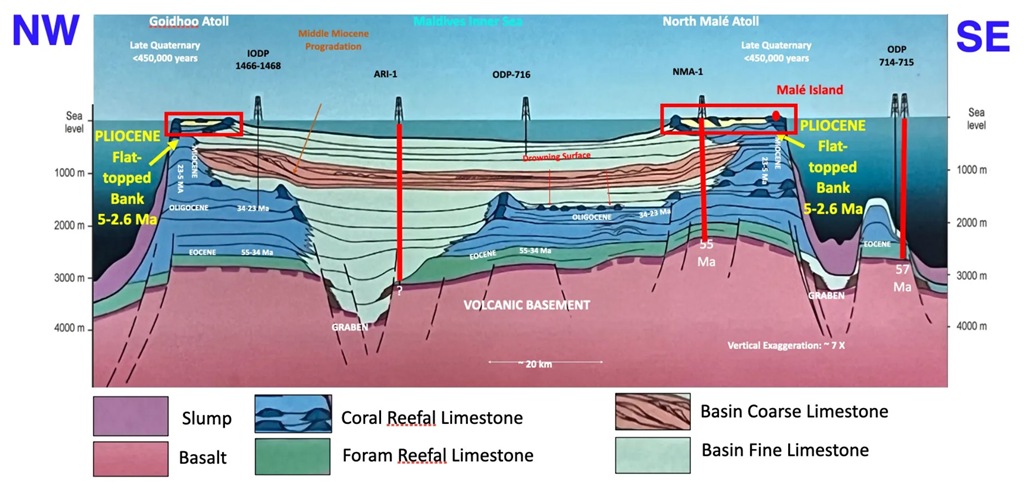
The revised understanding of atoll formation is the result of André Droxler, an emeritus professor of marine geology at Rice University in Texas who spent four months at the Maldives National University in 2023 as a Fulbright scholar recently featured in the Maldives Independent article “Younger than the pyramids: teaching students how the Maldives really formed”:

  • “For generations, Maldivian students learned that their islands formed through the slow sinking of ancient volcanoes, an elegant and intuitive theory proposed by Charles Darwin in 1842 that remains in textbooks worldwide. But a new supplementary curriculum is now teaching them what drill cores and seismic surveys have revealed: Darwin was working with incomplete information, and the real story is both stranger and more relevant to the future of a low-lying archipelago facing accelerated sea level rise…’These tiny atolls are just the last, last, last phase of this very long-term evolution of this reef system,’ Droxler explained. ‘The atolls have nothing to do with the volcanic plateau. It’s only the last half a million years, while this entire carbonate edifice is 55 million years long’.”
  • “Malé began forming less than 4,500 years ago. The island most likely took its current shape only in the past 2,000 years, making it younger than the pyramids of Giza. The islands of the Maldives Archipelago only formed in the last 5,000-4,000 years as the results of the local emergent accumulations of reefal cobbles, pebbles, and sands behind the active coral reefs, when the rates of sea level rise slowed down dramatically.”

Maldives atoll formation

TA Revisited

Ta Mentions chart Maldives

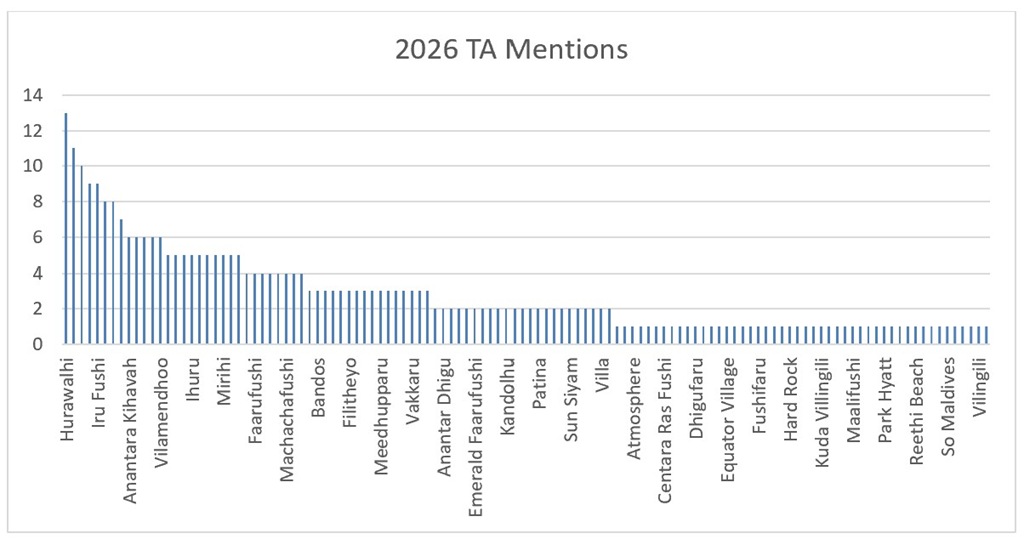
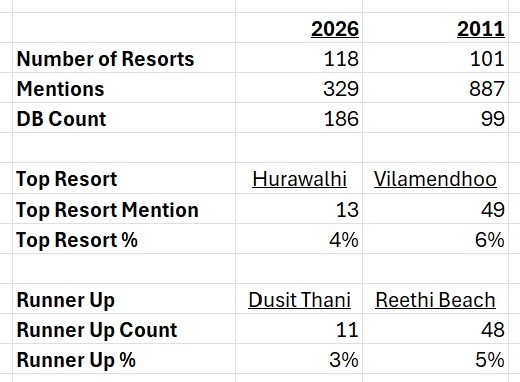
15 years ago, I posted a piece “Best of Maldives Online – TA Resort Popularity: Vilamendhoo – Maldives Complete Blog”. TripAdvisor Maldives Forum had been emerging as the pre-eminent travel community in general and specifically about the Maldives (compared to other TA Forums, it is especially active and authoritative). Back then I was just starting to get involved as a regular contributor and reader and I sensed that there are some resorts which seemed to be quite favoured in the online group as signified by the number of mentions. I wanted to test this perception with a highly unscientific but at least objective survey of the posts. I chose to count the mentions of resorts in the Subject line of the posts over a 6-month period.

3,700+ contributions later, the Forum has palpably changed. For starters, there are now lots of enquiries about local islands which people visit with the many new guest houses on the scene. Debates about children on properties, the weather and resort aesthetics have died down, but the terraforming debate is as intense as ever.

The graph above shows the distribution of mentions across resorts which more or less follows the same shape as 2011. There is a slight flattening, but not as much as I thought there might be with the number of active resorts doubling from 99 then to 186 now. The top two mentioned resorts – Hurawalhi and Vilamendhoo – got a combined total of 10% of the mentions compared to 8% for the top 2 back then.

The big surprise was simply the number of overall mentions which was less than half. I think this is reflecting simply fewer posts in TripAdvisor. I would put this down to a general maturity of the web with resort website providing much more comprehensive and easy to query information about their properties. Not to mention the emergence of Social Media providing another whole category of online community to consult for information and advice. I belong to a few Facebook Groups focused on Maldives travel. Curiously, the engagement is a much high quantity than TA Forum (ie. each post gets lots more replies), but actually the quality is much lower (ie. lots of people responding with inane information based on very limited knowledge of the destination).

TripAdvisor comparison of Maldives resort mentions

Maldives Vintage Map

Maldives vintage map

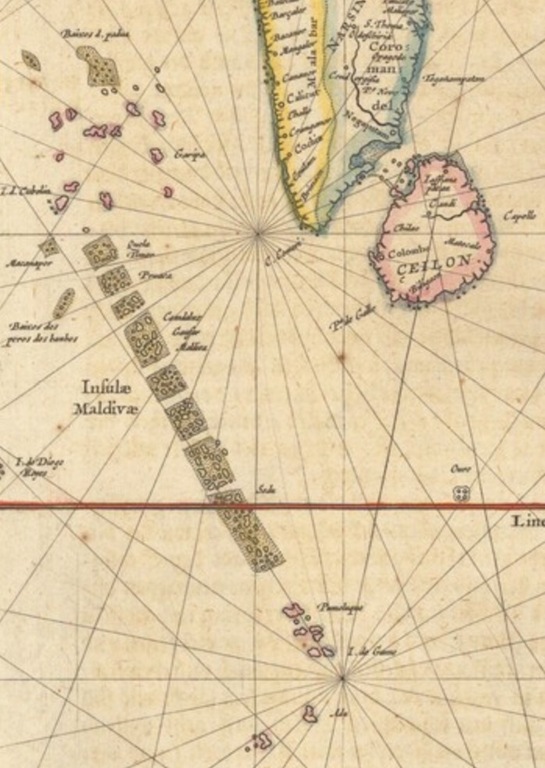
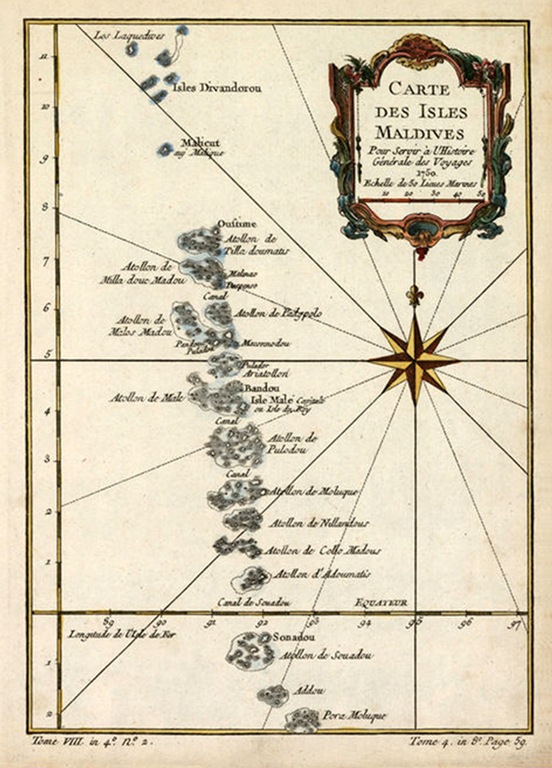
I love me a good map, and after featuring so many here, I felt that I had to have one of my own to grace the walls of our home. There are lots of vintage maps of the Indian Ocean and a number that just feature the Maldives. The one above is the one I ended up purchasing a print of as it seemed to have the most aesthetic charm. If you want one for your own memento (not recommended for modern navigation), and Google Image search can find several for sale pretty readily.

Abandoned Resorts of the Maldives

Recently, a video about an abandoned resort in the Maldives went viral and I was curious to find out which one it was as I have come across several. My further investigation has uncovered five specifically:

  • J ALIDHOO – We actually had the distinction of staying at J Alidhoo went it was in the final stages of decommissioning. Our tour report mentioned “operational issues” as we thought that the property was having a bump in the road as resorts sometimes do, but I guess it never recovered. Our visit was actually quite surreal. We arrived and the marketing manager who had invited us had left the company a couple of days ago and had not passed on our visit details to the staff. So we arrived at the jetty and they were all a bit surprised (but they saw the correspondence I shared with the invitation and they happily welcomed us especially and the island was 95% empty with only a handful of other customers there. The spa was closed and the F&B operation was severely constrained (as mentioned in our earlier report). We were happy to see the place being in the neighbourhood so far up north, but it was a bit of an eerie experience even before it fully shuttered a few months later.
  • ZITALHI DHOLHIYADHOO – The “Out Chasing Stars” blog posted a pretty comprehensive photo essay about this place, “Walking an Abandoned Resort in the Maldives – Out Chasing Stars”, in addition to the video (see bottom).
  • FARU – Faru was one of the earliest resorts in the Maldives and was a renowned budget property (pretty much one of the cheapest resorts in the 1990s), but they never invested in some of the basics (eg. air conditioning) that the new waves of Maldives visitors were looking for and got left behind it seems. I heard rumours of the island being revamped, but nothing specific seems to have emerged.
  • J RESORT RAALHUVELI – This is the one that is causing all the fuss recently with the Kale Brock video (see below).
  • VELIDHOO – I’ve long heard about Velidhoo, but couldn’t find much about it and the video directly below explains why.


Coconut Stages

maldives coconut

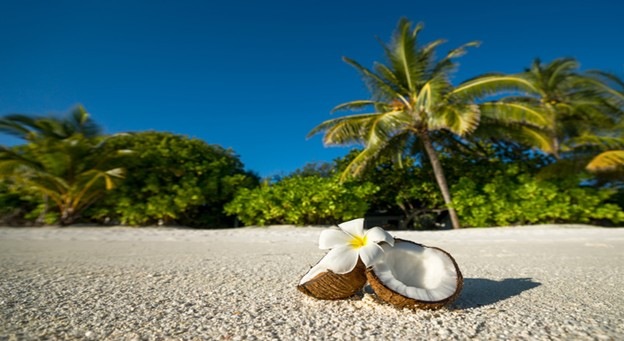
Eskimos (Sami) have between 180-300 words for “snow” and “ice”. In the sunnier climes of the Maldives with its swaying palm trees, it’s the coconuts that have all the words. In Dhivehi, the Maldivian language, there are indeed twelve distinct words for the different stages of a coconut’s life cycle:

  • Rukuehth (ރުކުއެތް) – Flower bud
  • Rukumaa (ރުކުމާ) – Coconut palm flowers
  • Gobolhi (ގޮބޮޅި) – Just formed nut
  • Miri (މިރި) – Young coconut with no meat
  • Gorugobolhi (ގޮރުގޮބޮޅި) – Phase between Miri and Kihah
  • Kihah (ކިހައް) – Immature coconut
  • Kurumba (ކުރުނބާ) – Drinking phase
  • Gabulhi (ގަބުޅި) – Phase between Kurumba and Kaashi
  • Kaashi (ކާށި) – Eating phase
  • Kurolhi (ކުރޮޅި) – No water, hard meat
  • Mudi (މުދި) – Germinated coconut
  • Raa Rui (ރާ ރުއި) – Coconut sap

Each stage has its own unique characteristics and uses in Maldivian cuisine and culture.

What is in a name…of the Maldives

Maldives map

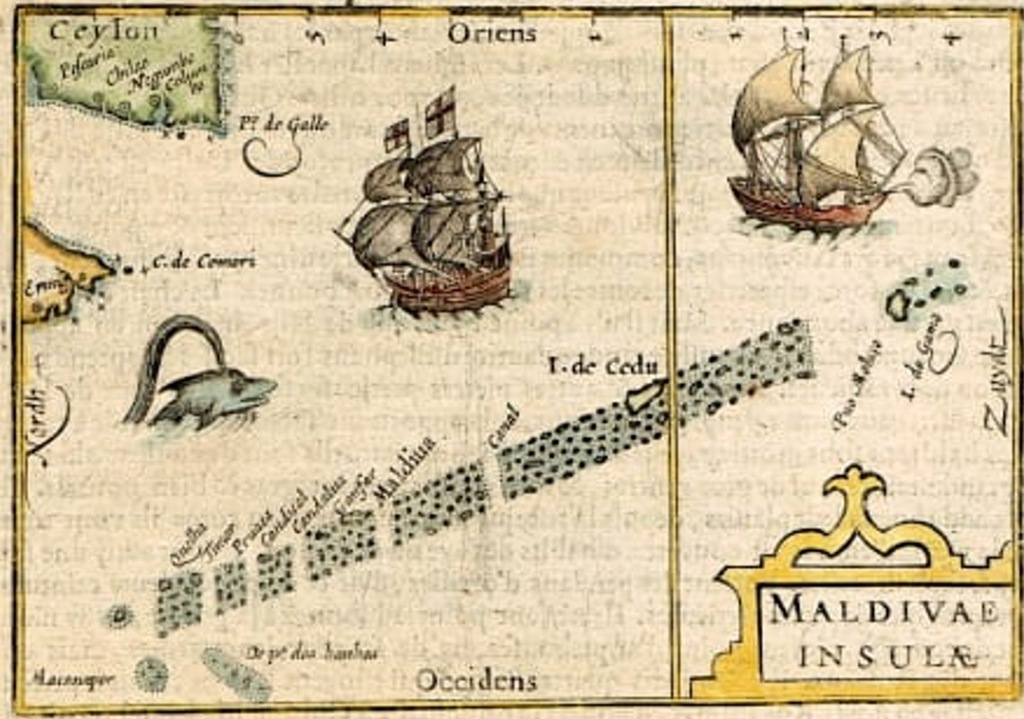
One of the blog features has been a dive into the colourful linguistic tapestry of this exotic land (and sea). The resort database includes a field for the Dhivehi meaning of all the resort names as well. So I especially enjoyed this piece in the Maldive Independent – “What’s in a name: Maldives throughout millennia” – which explored the etymology of the name “Maldives” itself as well as a variety of other monikers it had through the centuries:

  • 1500-500 BC: “Maladvipa”, (“Mala” meaning garland and “Dvīpa” meaning island) in Vedic literature including the Mahābhārata and Purāṇas.
  • 483 BC: “2000 Parittadipa” (small islands) by the Buddhist Pāli texts Aṅguttara Nikāya and Khuddaka Pāṭha.
  • 59-62 AD: “Coral Islands” by Greco-Roman periplus, Periplus of the Erythraean Sea written in Koine Greek describing sea navigation and trading routes.
  • 150 AD: “Manioli” by Claudius Ptolemy’s Geographia (Book 7, Chapter 4) describing “1378” islands located southwest of India.
  • 420 AD: “Islands beyond India” referenced by Bishop Palladius of Helenopolis in Historia Lausiaca.
  • 5th century AD: “Mahiladipika” (Island of Women) by linguist Wilhelm Geiger derived from the Pali words Mahila (woman) and Deepika (islands), reflecting a matriarchal order.
  • 7th century AD: “Dweepa Lakshman” (Hundred Thousand Isles) byPallava dynasty documents.
  • 658 AD: “Mo-lai people” by Tang Dynasty records.
  • 9th century AD: “Diva Kauza” (“Islands of Shells”) by Iraqi merchant and writer Diva Kauza (Islands of Shells).
  • 10th century AD: “Munnir Palantivu Pannirayiram” (Twelve Thousand Islands and the Ocean Where Three Waters Meet), referring to the Arabian Sea, Indian Ocean, and the Bay of Bengal by Chola dynasty inscriptions.
  • 12th century AD: “Dheebat al Mahal” (“Islands of Women”) by Arabic historians Al-Masudi, Sulaiman al-Tajir, Al-Biruni.
  • 1225 AD: “Liu Shan” (Island Country) or “Liu Shan Guo” (Country of the Flowing Mountains) by Chinese customs inspector and geographer Zhao Rugua (1170–1228 CE), of the Song Dynastry period in his work Zhu Fan Zhi (Description of Barbarian Nations or Records of Foreign Peoples).
  • 13th century AD: “Pāpalam Theevu” (Pāpalam meaning cowries shells and Theevu meaning island in Tamil). Tholkāppiyam, by Tholkāppiyam the oldest extant work in Tamil literature.
  • 1300 AD: “Island of Male” by Marco Polo (referenced, not visited).
  • 1343-46 AD: “Deebath Al Mahal” by Ibn Battuta.
  • 1414 AD: “Liu Shan Tieh Kan” (Islands of Peaks) by Chinese admiral Zheng He’s scribe, Ma Huan, while Fei Xin, who also accompanied the commander names it “Liu Shen Yeng” (roughly translates into “Divine or Mysterious islands in the vast ocean or across the sea).
  • 1507 AD: “Maldives Ilha Dywe” by Portuguese explorers.

Dialed Up Dipole

Indian Ocean Dipole

Warming sea temperatures, El Nino, Crown of Thorn Starfish. After all of these threats to reef health, it’s no wonder Maldive reefs have been struggling. And now a fourth (!) assailant entered the scene – Indian Ocean Dipole. The BBC describes the IOD, aka “The Indian Ocean El Nino” (“Indian Ocean Dipole – What Is It?”):

  • “Temperatures in the eastern part of the ocean oscillate between warm and cold compared with the western part, cycling through phases referred to as “positive”, “neutral” and “negative”. The dipole’s positive phase this year – the strongest for six decades – means warmer sea temperatures in the western Indian Ocean region, with the opposite in the east.”

And this added boost to ocean temps isn’t only a hazard to corals, but to other life in the atolls. Notably, in the recent loss of mangroves as examined in this month’s Nature article “Sea-level rise and extreme Indian Ocean Dipole explain mangrove dieback in the Maldives”:

  • “Mangrove forests enhance Small Island Developing States’ resilience to climate change, yet in 2020, a mangrove dieback impacted ~ 25% of mangrove-containing islands in the Maldives…We attribute this dieback to salinity stress driven by record-high sea levels in 2020, linked to an extreme positive Indian Ocean Dipole event.”

Indian Ocean Dipole 2

Guide to Fuvahmulah

Fuva guide

One of the true highlights of this year’s Tour was our visit to Fuvahmulah. The first time we have stayed on an inhabited island and explored the modern live of the Maldivian islander.

Our itinerary worked exceptionally well and we felt we really had a chance to experience the lion share of the island in a reasonable compact period of time:

DAY 1 –

  • Afternoon: Fly from Male to Fuvahmulah on the 3:05 Maldivian Airways arriving at 4:30
  • Evening: Settle into AIG Hotel. Take a dip in the pool, drink some mocktail sundowners watching the sunset over the ocean, rooftop al fresco dinner at the hotel

DAY 2 –

  • Morning to Afternoon: 3 dives with Pelagic Divers which includes a Deep Dive (to see pelagics like Thresher Sharks), the famous Tiger Shark dive, and a coral reef dive.
  • Evening: Dinner at Eden Café

DAY 3 –

  • Morning to Afternoon: 3 dives with Pelagic Divers which includes a Deep Dive (to see pelagics like Thresher Sharks), the famous Tiger Shark dive, and a coral reef dive.
  • Evening: Dinner at AIG Hotel.

DAY 4 –

  • Morning: Visit to Pebble Beach.
  • Afternoon: Seaside lunch at Peebles Restaurant
  • Evening: final visits around island and lounging by the rooftop pool

DAY 5 –

  • Morning: depart on the 5:30 am Maldivian Airways flight (for international connection home or to transfer to a resort).

Here are few tips from our experience:

  • Cafes – There are about 30 all over the place, but only a few are distinctive. The ones we researched and we delighted by are…
    • AIG Grand – view
    • Eden Café – décor
    • Pebbles – beachfront locatio
  • Currency – Most places take cards or phone payments and will convert into dollars. Some will only take cash, but are just as happy with dollars as ruffia. BUT (a) they don’t like $1 notes, (b) they can’t take any torn notes or defaced ones (the banks won’t accept them from them), and (c) don’t expect them to be able to give you change in dollars (though sometimes they might be able).
  • Flights – 2 per day on Maldivian Air. There is a ferry to Gan (1 hour) or to Gaafu Dhaalu (1.5 hour) if you wanted to combine with a resort there.
  • Excursions – Dhadimagi Kilhi Lake, Pebble Beach and the beaches in general offer lots of picturesque waterside strolling. But there is no real swimming (if the sharks don’t get you, the currents will). Also, there is no real real town centre for shopping, cafes, etc. (instead shops and eateries are widely dispersed across the island).

Hospitals in the Maldives

Maldives atoll hospitals

As we prepare for our 21st visit to the Maldives, we aren’t getting any younger. Now in our mid-sixties, battling an incessant array of health issues seems to be a new avocation in this chapter of our lives. So we are more empathetic to the prospective visitors who enquire about the access to emergency medical care (eg. parents with very young children, or anyone with a long-term health condition). Most (at least 5 star) resorts have resident doctors. For those looking for more extensive medical facilities, the conventional answer in the past would be to look at the Male atoll properties for ready access to the country’s main hospital in Male. But in recent years, tourism-funded growth has funded hospitals in many of the big atolls:

  • Health care facilities in Maldives are ameliorating on a daily basis. The Indira Gandhi Memorial Hospital in Male’ is the biggest hospital in Maldives furnishing advanced medical care. Besides the Indira Gandhi Memorial Hospital in Male’ there is ADK Hospital which is one of the biggest private healthcare establishments in the Maldives. It is having fifty (50) bed private tertiary acute care hospital, furnishing a wide ambit of medical and surgical facilities for the total management of patients situated in the capital city of Maldives – Male’. In addition to these healthcare hospitals in Male’, there are four regional hospitals situated in the north, south and the central parts of Maldives to provide the best and quality health care services in the rural population of Maldives. The four regional hospitals of Maldives are Hithadhoo located in Addu Atoll of southern atolls, Haa Dhaalu Kulhuduffushi, Raa Atoll Ungoofaaru in northern atolls and Meemu Atoll Muli (central atolls)

When we visited Jumeirah Dhevanafushi (now Raffles Meradhoo), the GM highlighted the proximity of the Gaafu ALifu hospital to the island and the fact that the GM had met with the hospital to coordinate care protocols if a guest needed medical attention. While notable, I didn’t think this distinctive measure quite merited its own “Best of the Maldives” post, but I thought it would be good to call out those resorts closest to each of the major atoll hospitals:

  • Male (Male) – Kurumba (3 km)
  • Hithadhoo (Addu) – Equator Village (10km – but all on land)
  • Kulhuduffushi (Haa Dhaalu) – Barefoot (15 km – coming)
  • Ungoofaaru (Raa) – Loama at Maamagili (14 km)
  • Muli (Meemu) – Medhufushi (3km)

Addu hospital

World Travel Market London 2023

WTM 2023 2

As the days get colder, wetter and shorter, one of my favourite days of the year in the UK is my annual visit to the World Travel Market in London where I hang out at the Maldives destination stand all for a bit of a surrogate Maldivian experience. The Maldivians staffing the exhibit surrounded by Maldives imagery provides just enough of a sense of the Maldives itself to take some of the sting out of encroaching winter. And the video tunnel of swimming whale sharks and mantas provided an extra touch of virtual reality to the escapist experience (video at bottom).

And this year’s stand was the biggest one yet. Check out the photo below which shows the entire length as everything in the picture is the booth. I spoke to countless resort reps including Madifushi Private Islannd, Robinson, Pullman Maamuta, Hilton Amingiri, Kuda Villingili, Amilla, Fiyavalhu Westin, Heritance Araah, South Palm, Ihuru. Riu Palace/Atoll, Brennia Kottafaru, Alia Kothifaru, Oaga.

I got media kits to fill out Resort and Room profiles for the site s well as discovered a number of great “Best of the Maldives” features to post about in the coming weeks. Two of the notable chats included:

  • Havodda – a BIG question these days is “where is the best coral?” It’s difficult for even veterans like myself to answer because all of our coral experience pre-2016 (with the COTS and El Nino double whammy on top of increased ocean temps and construction disturbance) is pretty much moot. My recent research has been pointing to Gaafu Alifu/Gaafu Dhaalu as one of the brightest spots for coral based both on reports, but also on the topology that this atoll is very wide open with fewer outer shelf reefs so there is more flow of cooler open-ocean water. Chatting about this with some folks, they also noted that the Gaafus are the deepest atolls which also contribute to cooler (more coral-friendly) waters there and they confirmed that this atoll probably does have the best coral
  • NOOE – They are just getting going, but he said that the new website will be up in a matter of days with lots of details. In the meantime, here is their Google Drive with lots of documents about the property – https://drive.google.com/drive/folders/17qEnmvX8ITrirWi13DjrAl-h_LpopZVe.

WTM 2023 1