History of Maldives Maps

Maldives Maps 4

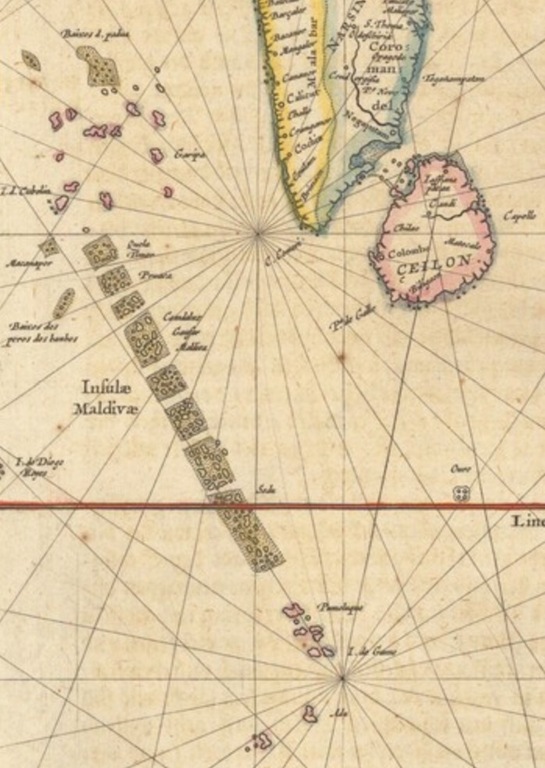
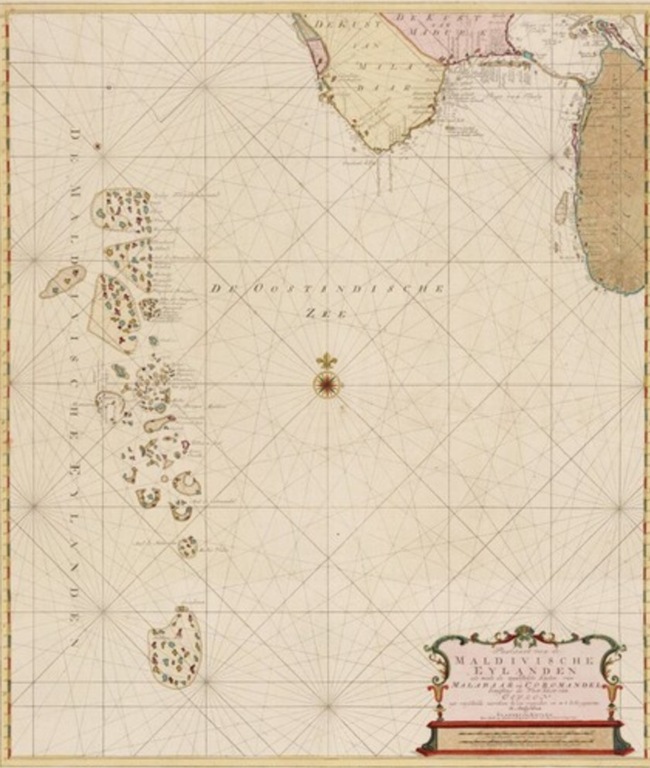
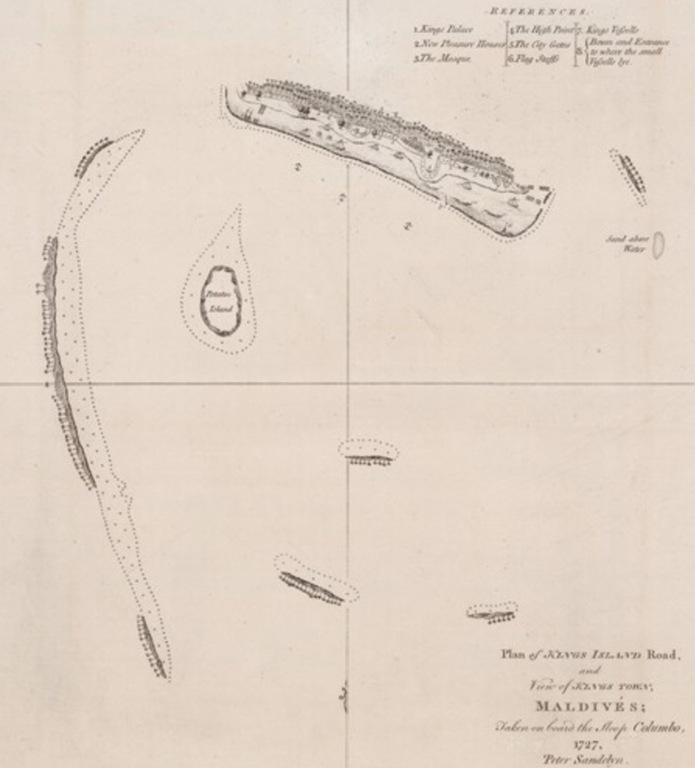
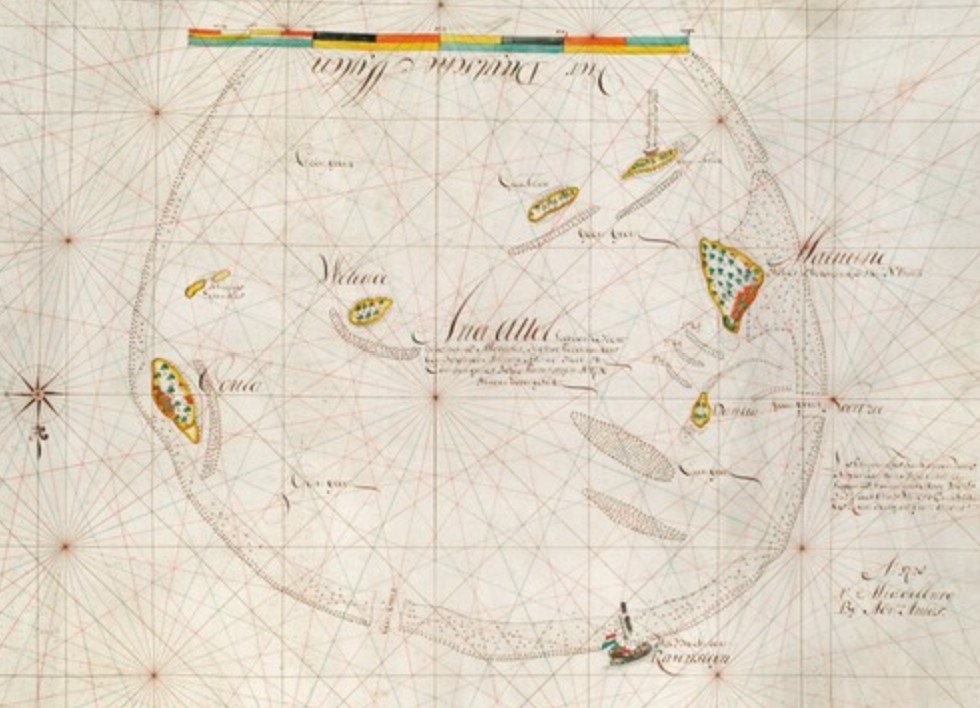
I love maps in general, especially oldie-worldie maps. And there are few places on the planet where maps were vital in the Old World than the Maldives which formed a minefield of reefs across the maritime East-West trade route. “The VOC’s mapping of the Maldives: navigation, shipwrecks, and cartography in the heart of the Indian Ocean” by Ruud Stelten and Wendy Van Duivenvoorde not only features a trove of maps (some featured here), but also provides an excellent account of the history of mapping this corner of the world:

  • “Throughout the VOC’s existence, its ships experienced numerous mishaps in the Maldivian islands, whereby vessels were wrecked, sailors died, and trade goods were lost. As a result, the Company made various efforts to chart the archipelago in order to better understand its physical layout and safely navigate its treacherous waters. This has resulted in a rich cartographic record, which, albeit limited in size, provides fascinating insights into the VOC’s development of knowledge of the Maldivian islands. Until now, however, it has been unclear how these charts came into existence, who made them and why, how the Dutch navigated the Maldivian waters, what dangers the islands presented, how many Dutch ships wrecked here, and how this influenced the VOC’s decision making on its sailing routes. This article aims to address these issues by exploring the role the Maldivian archipelago played in the VOC’s shipping network. By investigating how the Dutch came to understand the geography of the Maldives and how to map it, this study aims to provide an understanding of how the archipelago influenced navigation, shipping and commerce, and the establishment of shipping lanes. Furthermore, this study will examine how the archipelago’s dangers were mitigated, and what happened when ships did fall victim to its treacherous reefs.”
Maldives Maps 3

Maldives Maps 2

Maldives Maps 1

Best of the Maldives: Traditional Villa Materials – Barefoot

Barefoot - villa materials 2

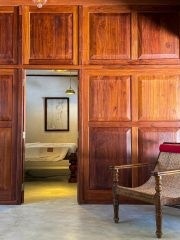
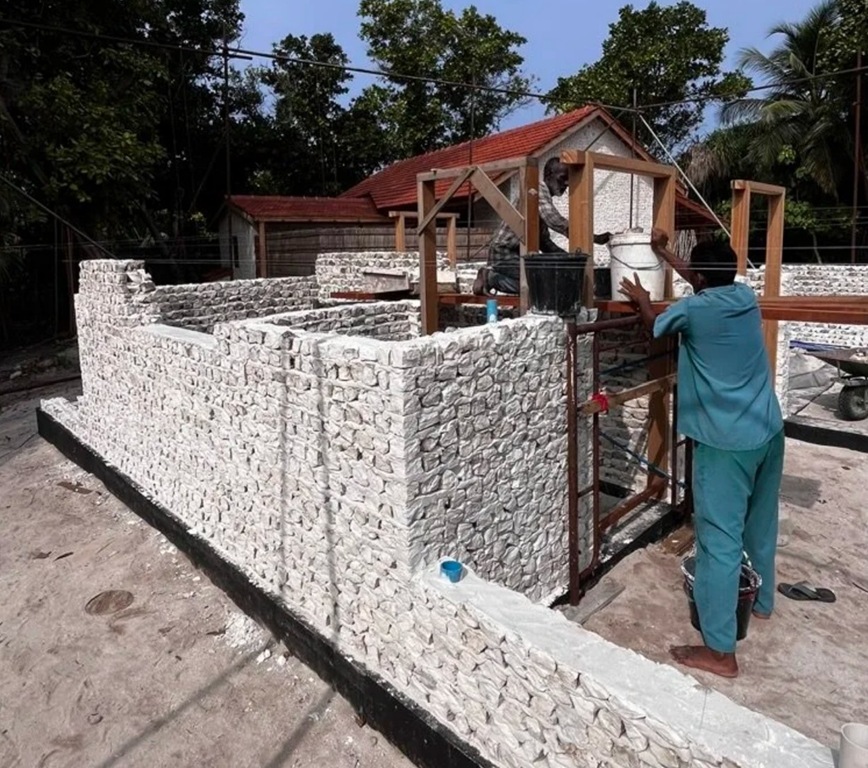
Everything old is new again. Especially at The Barefoot’s Heritage Villas where the property has crafted well-appointed luxury villas in truly Maldivian style. Many resorts claim to be “authentic”, but they are often at best “Maldivian inspired”:

  • “The villas are built with coral stone walls and coconut wood frames and are intended to offer “a rare chance to step into the past”, while still giving guests access to hotel services and curated experiences such as guided bike tours, yoga, snorkelling and cultural activities.”

The resort is located on the local island of Hanimadhoo so you can get a truly immersive local culture experience while still having a dedicated resort area (including a boat the serves alcohol which is often not available for local island guests). The best of both Maldives, old and new.

Barefoot - villa materials 3

Best of the Maldives: Sandbank Sleeping – Fushifaru

Fushifaru - sand bank sleeping

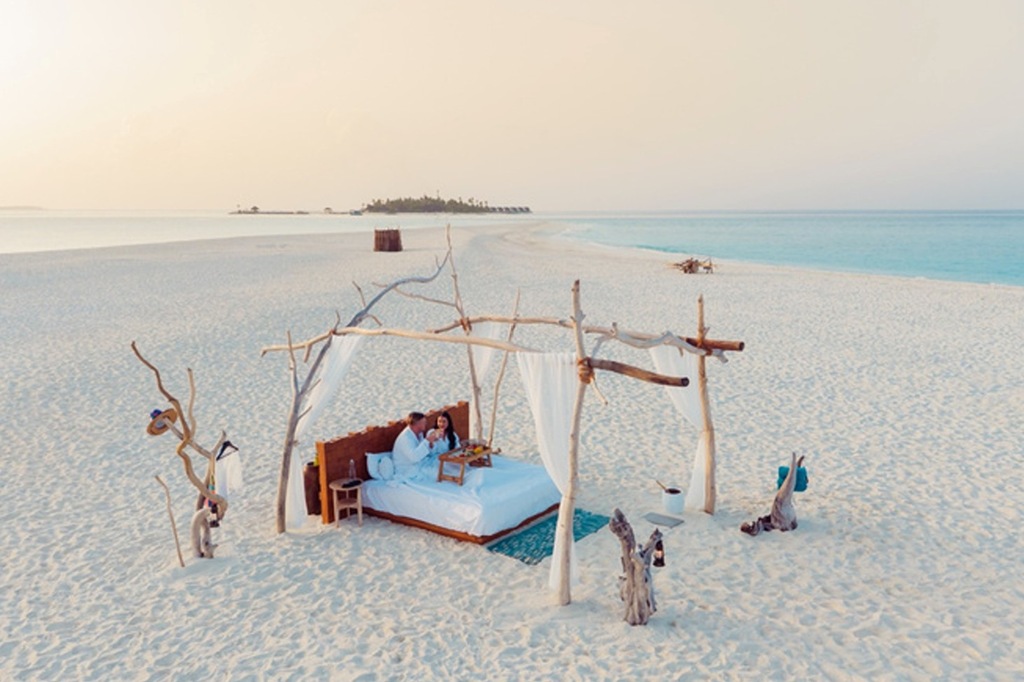
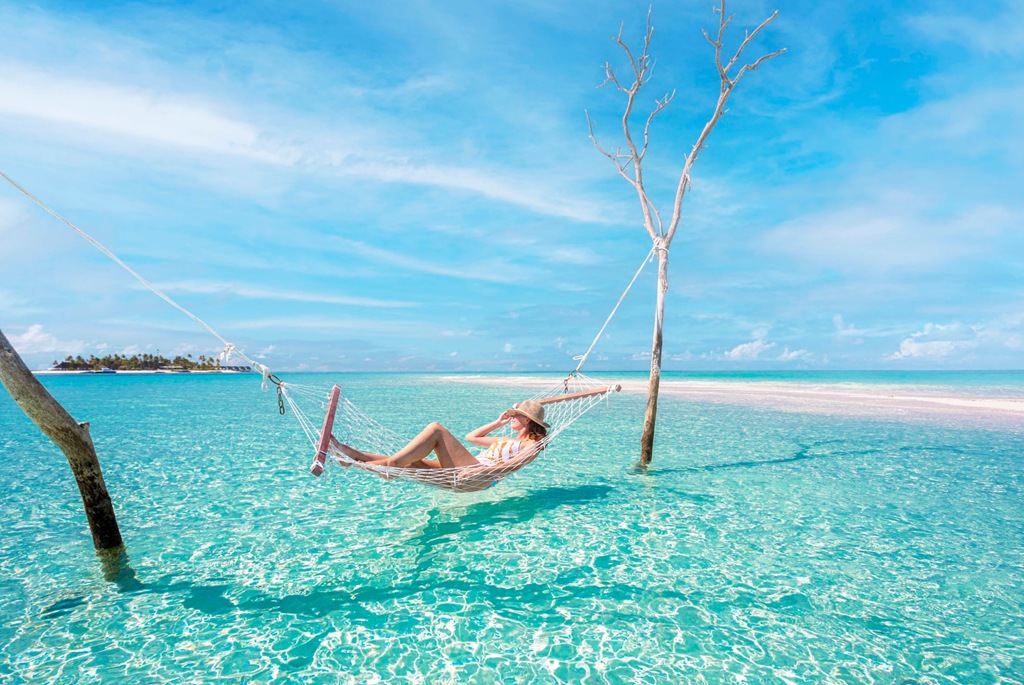
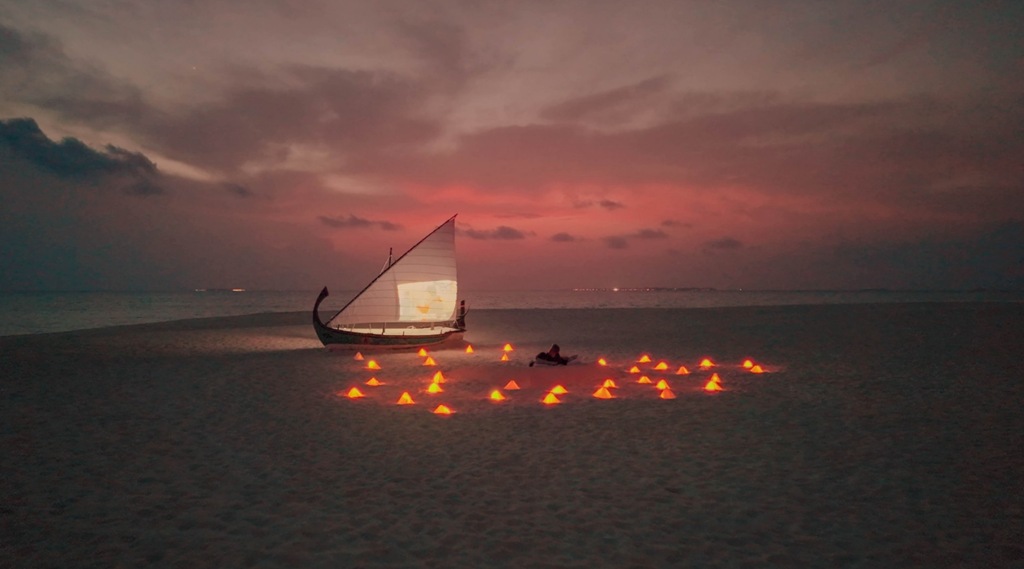
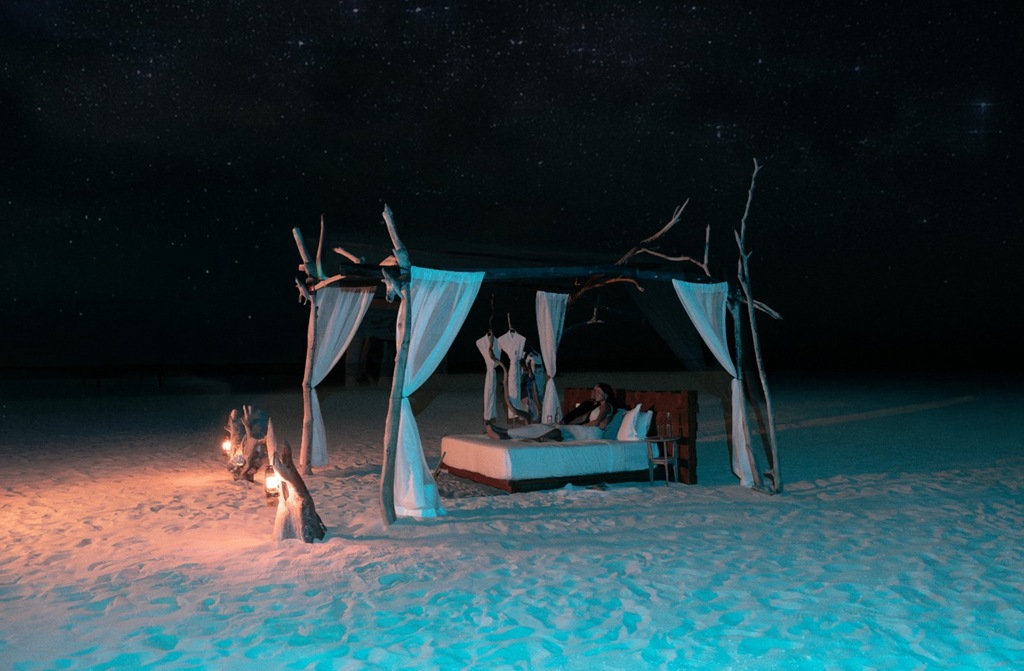
Now why didn’t I think of that? I love sandbank experiences. I often describe the Maldives as that iconic cartoon of a plot of sand in the middle of the ocean with a single palm tree on it and the Maldives sandbanks are literally that image. I also love all things al fresco – dining, cocktails and event falling asleep under the stars on our loungers. But doing so on a remote patch of sand in the middle of the ocean sounds like the ultimate Maldives experience. And now you can experience it at the Fushifaru resort:

  • “Surrounded by crystal-clear waters, Fushifaru Maldives is redefining romantic island escapes with its extraordinary ‘Sleep Under the Stars’ experience – an unforgettable overnight stay on the resort’s breathtaking private sandbank. This once-in-a-lifetime experience invites couples to disconnect from the world and reconnect with each other beneath a sky illuminated by countless stars. Combining barefoot luxury, romance and the raw beauty of the Maldives, the experience has been thoughtfully designed to create memories that last forever.”

The ultimate desert island experience!

Fushifaru - sandbank

Fushifaru - sandbank 2

Fushifaru - sandbank 3

7 Levels of Maldives Resort

7 Levels of Maldives

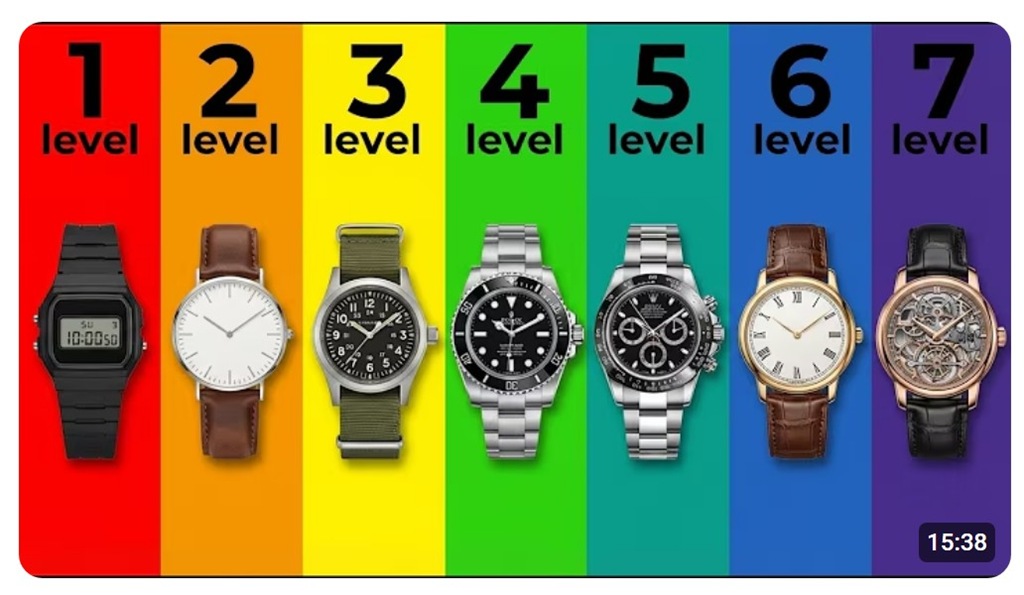
A popular YouTube format is the “7 Levels of…” feature. Often, it is used for segmenting entertainment – ie. Rappers, Singers, TV Shows, Film Twists. But another common subject is luxury items – Watches, Wine, Megayachts, Hi-Fi Systems, Whiskey. I’ve often written about the gradient of differences between Maldives resorts to try to help make sense of the cacophony of reviews and ratings, so I thought that I would put out my own version of “7 Levels”:

  1. Guest House – The ultimate entry level is the “Guest House”. These were introduced in 2008 to provide low-cost options for budget travellers and to extend the benefits of tourism business to local islands (as opposed to the dedicated resort islands). In addition to providing a very wallet-friendly alternative, they immerse guests into the authentic daily life of the local islanders. However, these properties and their locations do come with a number of constraints imposed by the Islamic culture such as no alcohol, no pork, and no bikinis (except sometimes in special segregated areas). Furthermore, the guest houses themselves are typically quite simple affairs not much more than a basic B&B with few amenities (and sometime lacking in features such as air conditioning)
    • Price Range: $30-90/n
    • Equivalent: Bed & Breakfast, hostels, motel
    • Examples. West Sands, Royal Villa Royal Villa Fulidhoo
  2. Local Island Hotel – In addition to guest houses, some of the larger local, inhabited islands have small hotels built on them. These properties are more expansive and expensive than the guest houses. They are offer more facilities and typically a higher standard of décor and amenities. Most with have reception services, dining, even a pool.
    • Price Range: $100-$300/n
    • Equivalent: budget motorway motel
    • Examples – Hotel Jen, AIG Grand, White Shell Beach Inn, Arena Beach Hotel
  3. Budget 3 star – The Maldives started as simple, un-airconditioned villas catering to the diving community and you can still find a few very simple properties that still provide relatively basic accommodation, service, and food. You will have air conditioning, and the same dappled blue ocean and enchanting sunsets to gaze upon, but pretty basic services and often tired, dated décor.
    • Price Range: $100-$300/n
    • Equivalent: Butlins, holiday par
    • Examples – Eriyadu, Embudu, Bandos.
  4. Value 4 star – When we first started visiting the Maldives in the 90s, this segment was the most popular. It has more than the basics. Nothing truly luxurious, but well appointed.
    • Price Range: $300-800/n
    • Equivalent: Holiday Inn, budget chain hote
    • Examples. Gangehi, Reethi Faru, Kandooma
  5. Luxury 5 star –The luxury 5-star is the current hot segment dominating the new entrants. The vast majority of Maldives guests are affluent travellers who expect a high standard of aesthetics, cuisine, service and amenities that these properties deliver.
    • Price Range: $800-2000/n
    • Equivalent: Marriott, W hotel
    • Examples. Emerald, Siyam World, Amilla Fushi
  6. Super Lux – This is the “Wow” category. Table stakes here are elegant design, gourmet food, and typically some “wow” offering like an underwater restaurant, observatory, marine center, or observation tower.
    • Price Range: $2000-4000/n
    • Equivalent: Leading Hotels of the World collectio
    • Examples. Soneva Fushi, Velaa, Milaadhoo, Cheval Blanc.
  7. Private Island – The ultimate in Maldives island luxury is your own private island. In the past, billionaires have occasionally bought out an entire resort property, but it is difficult to do because guests may have already booked some of the rooms well in advance. Also, a small island can be 50 rooms (or 100 guests typically) and that’s a LOT of friends to invite on holiday.
    • Price Range: $50k/nt
    • Equivalent: Branson’s Necker Island
    • Examples – Soneva Secret, Four Seasons Voavah, Waldorf Ithaafushi.

Best of the Maldives: Michelin Keys – Cheval Blanc / Soneva Fushi

Michelin keys

Trying to get some measurable benchmark by with to distill the myriad subjective characteristics of a property is the only of the Holy Grails of guides. I have written a number of pieces on the distinct challenges that resort ratings in the Maldives face and some ideas on how to navigate them. The internet has made “ratings” a cornerstone of many guide sites though many of these crowd-sourced versions come with their own problems and biases. But now the pinnacle of guide books, the OG (“Original Guide”), Michelin has added “stars” (well “keys”) to its hotel guide. And it includes a number (12) of Maldives resorts.

  • Michelin describes its criteria as the following:
  • Design – excellence in architecture and interior design.
  • Service – quality and consistency of service
  • Character – overall personality and character
  • Value – value for the price
  • Contribution – significant contribution to the neighborhood or setting

As with Michelin stars for restaurants, “3” keys is the highest accolade. For perspective, out of the dozens of luxury properties in the Maldives, only 2 have achieved 3 key status: Cheval Blanc Randheli and Soneva Fushi. Soneva Fushi would have been the first to come to my mind so that seems clear. Though it does beg the question about the omission of Soneva Jani which has all of the style and distinction of Soneva Fushi and in many respects more so because it was built many years after Soneva Fushi and it feels like they enhanced Jani with all the lessons learned from their experience with Fushi. I would question the selection of Cheval Blanc Ranheli for the top accolade as I don’t know anything it does as a “significant contribution” to the area, and “3 stars” pretty much means you ace every single aspect under consideration.

  • “Three Keys: An extraordinary stay – The ultimate in comfort and service, style and elegance. It is one of the world’s most remarkable and extraordinary stays and a destination for the trip of a lifetime.”

There are some very obvious omissions like Velaa, a contender for at least 2 keys (“A hotel that’s unique in every way, where a memorable experience is always a guarantee. A hotel of character and charm, run with obvious pride and considerable care.”, and I would say that Oaga warrants a key based on their criteria (“A true gem with personality. Service always goes the extra mile, and the hotel provides much more than others in its price range”).

Whatever its shortcomings, at least you have professional hospitality experts assessing the property and not the owner of a car dealership on their first visit to the destination.