This is the first year since COVID that we have not visited the Maldives in July. One might think that now would be a more opportune time than ever. The Maldives Complete site is on track to hit 3 million visitors this year. The destination just keeps adding new properties and features.
But a number of considerations have put us off:
- REEF DECLINE – It used to be that the accessibly shallow coral reefs were one of the main attractions of the Maldives. The reef decline has not only continued pretty much unabated to where “live” areas are more the exception (or even rarity) rather than the rule. This started happening years ago, but we consoled ourselves that the other marine life was still abundant and we enjoyed the fish soup and other favourite creatures. But as any ecologist will tell you, the coral is the foundation to the reef ecosystem and in recent years we have witnessed a palpable decline in marine life making the Maldives no longer the best snorkeling in the world which was one of our greatest joys visiting there.
- WEATHER VOLTAILITY – Also due to the climate change, the weather has just become that much more volatile. While peak times of February had uninterrupted clear blue skies and placid waters, July was still delightful with its scattered clouds, gentle sea breezes and occasional passing shower. But these days, February gets the July weather of old, and July weather is getting more and more risky more frequent and more intense actual storms.
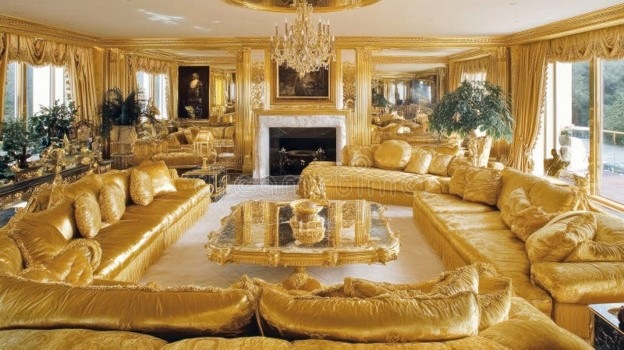
- MULTINATIONAL INVASION – But the main reason for our demurring was the invasion of international luxury brand properties. I do understand the country wanting to get the most revenue per square hectare that it can out of its limited above-water land mass. And I appreciate the splurging of a fine luxury experience as much as the next person. But the problem is that in more cases than not what is being introduced is “faux luxury”. As Ryan of the Ryan Experience explains in “My #1 Problem With Luxury Hotels”.
But the problem extends far beyond just high-end hotels in the Maldives. This trend is just a subset of the megatrend, so well-articulated by Cory Doctorow, I see everywhere – the “Enshittification of Everything”. Especially acute when the vulture capitalists of private equity get involved to apply their mastery of value extraction to their investment. The business model is to invest in the veneer (the brand plus the wrapping) and not the substance (the underlying product or operations), the frosting not the cake (as exemplified by OTT pastry producers like Lola’s Cupcakes), the sizzle not the steak.
True luxury is almost always…simple (for a brilliant portrayal of true culinary luxury, check out this scene from “The Hundred Foot Journey”). Its quality has no need for adornment. The Krispy Kreme Original Glazed (hot of the press), not the Chocolate Chip Banana Bread donut from Comfortland. A striking example in the restaurant establishment is London’s famed Ivy Restaurant. Renowned for lending a master chef’s hand to traditional British comfort food and an elegant surrounding. Private equity bought that name and then rolled out a chain of mass- produced eateries with extravagant décor curiously much more opulent than the original ever was or ever needed to be. The new Ivy outlet now flaunt the visual clues that you must be somewhere fancy (so your nan feels like she is actually being taken to a special place for her birthday lunch), but the food is bland fare that is mass-produced in a central facility and reheated on site. The look is stunning, but you are paying top dollar for mediocre pub grub.
A Maldives property is becoming as de riguer as a New Bond Street shopfront for every luxury brand in the world, whether they have any hospitality operation or not. Hire in self-absorbed fancy designers who concoct visually dramatic spaces with very little understanding of optimising the Maldives experience. Or just cookie-cutter construction out of a corporate style guide. And for many of the undiscerning affluent who are drawn more to the appearance of luxury than appreciating true luxury, this works just fine. A few well-positioned selfies for their Instagram, a tick off their bucket list and off to the next exotic locale never to return.
Nearly gone are the (a) charming home-grown properties developed and run by Maldivians (Oaga and Syam are rare exceptions to this trend representing a bold statement in guest experience by a new generation of Maldivians), and (b) passion projects (like Soneva, Velaa, Amilla Fushi under the Kruse’s) that were more labors-of-love than mercenary tourist traps.
An integral ingredient to the faux luxury veneer are the shill endorsements by Instagram influencers, celebrity junkets and industry “awards”. In the interest of full disclosure, I have gotten quite a few courtesy comps and freebies from properties welcoming me to their property. But there is no compromise on the integrity of my judgement, primarily because my content doesn’t judge. I go there to get material and data for the database (resort categorize me as a “content creator”, not an “influencer”). I don’t lavish praise. I identify aspects which I sincerely feel are the Best (or “only”) of the Maldives in the “Best of the Maldives” series (and I have to disenchant a fair number of marketing managers that I have seen their extra special feature in other places or that I have seen it better).
The Maldives is still one of those rare places on Earth where you don’t just feel like you are on a special place on the planet, but that you are on a different planet altogether (other examples include Iceland, the Grand Canyon). It’s distinctive topology with the typically tranquil waters around it occupying that space just above and just below the water give it a special intimacy with the ocean rarely found. We look forward to find more truly inspired properties amidst the growing numbers of corporate confections littering the seascape.